

March Video of the Month

“Grandchildren’s Personal Perspectives on the Masters”
Special Topics | Evolution of Psychotherapy Conference 1985 | Phoenix, AZ
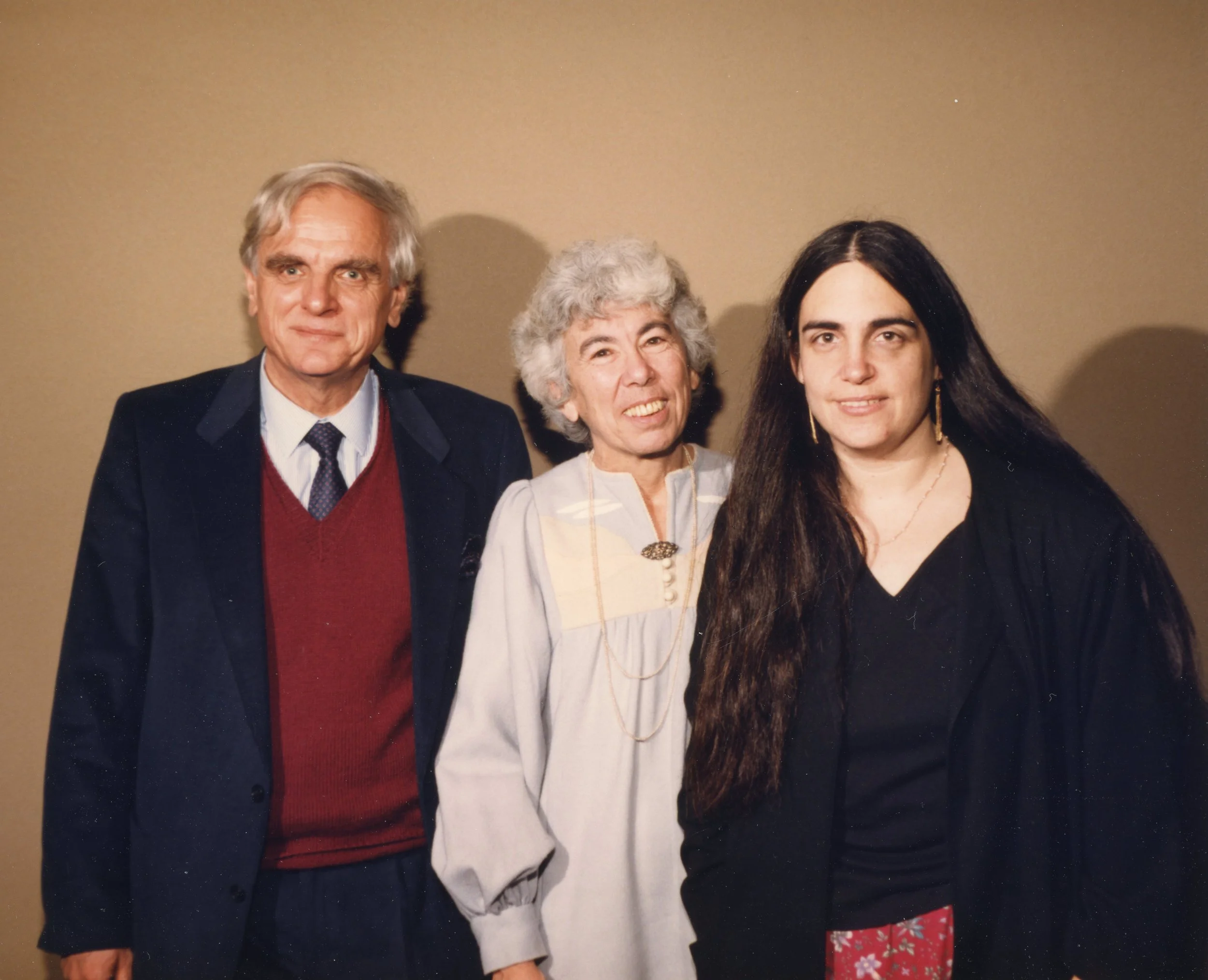
*All photos in this post were taken by Keith Perry, 1985.
The Faculty
Above, From Left to Right:
Dr. Dieter Baumann (1927-2020), psychiatrist and grandson of Carl Jung
Dr. Sophie Freud (1924-2022), clinical social worker and granddaughter of Sigmund Freud
Margo Adler (1946-2014), journalist and granddaughter of Alfred Adler
Moderator: John Racy, M.D.
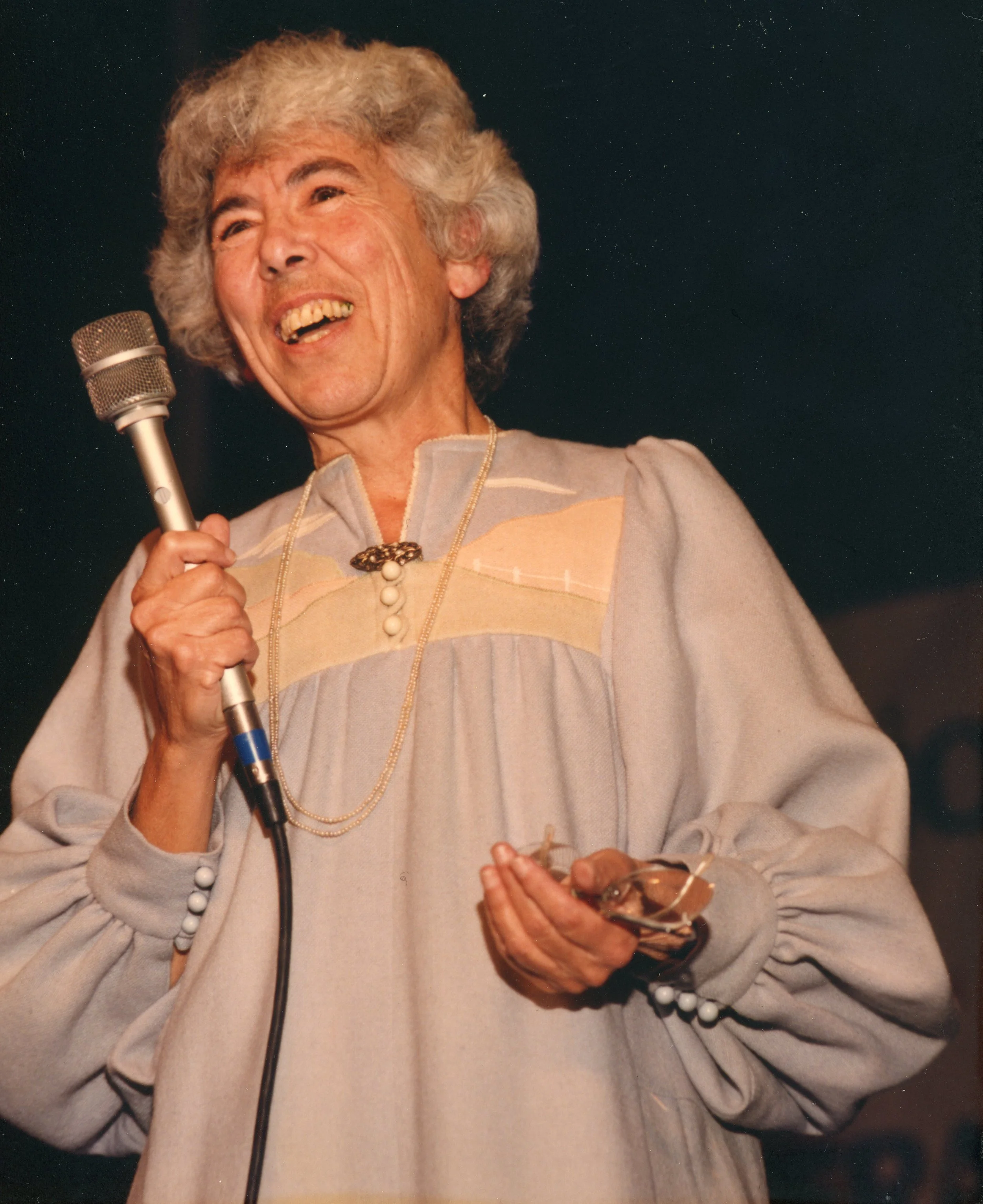
📌 About the Session
Instead of discussing their intellectual work, the panelists share what it was like to grow up in the families of these famous theorists.
Their stories move between humor, reflection, and history. We hear about childhood visits, family traditions, and the cultural world of prewar Vienna. At times the discussion becomes sobering as the panelists recall how political upheavals, including the Nazi takeover of Austria, shaped their families’ lives.
March is Women’s History Month, which makes this archival recording a timely listen. During their personal recollections, the panelists touch on the mothers, sisters, wives, and daughters that surrounded Freud, Adler, and Jung.
🧠 Session Highlights
Growing Up in the Freud Household
Sophie Freud offers a vivid memory of visiting her grandfather as a child in Vienna. Each Sunday she walked with her nursemaid to the Freud family apartment on Berggasse.
Her meeting with Freud was brief and formal. She would sit in his office for a few minutes while he looked her over and then gave her a small allowance before returning to his work.
The household she describes was carefully structured and governed by routine. Children were often raised by nursemaids and family life followed strict schedules. These recollections offer an interesting contrast to modern assumptions about parenting and attachment.
🎥 Watch the Moment
Vienna Before the War
The conversation turns serious when Sophie Freud recalls the Nazi annexation of Austria in 1938.
Jewish families suddenly faced intimidation, searches of their homes, and public humiliation. Her brother was among those forced to scrub the streets while crowds watched.
Soon afterward, members of the Freud family fled Vienna. Others who remained behind, including several of Sigmund Freud’s sisters, later died in concentration camps.
These recollections remind us that the development of modern psychotherapy was accelerated against the backdrop of world wars. The immense traumas caused by these wars forced professionals to create new psychological treatments.
Alfred Adler’s Family Legacy
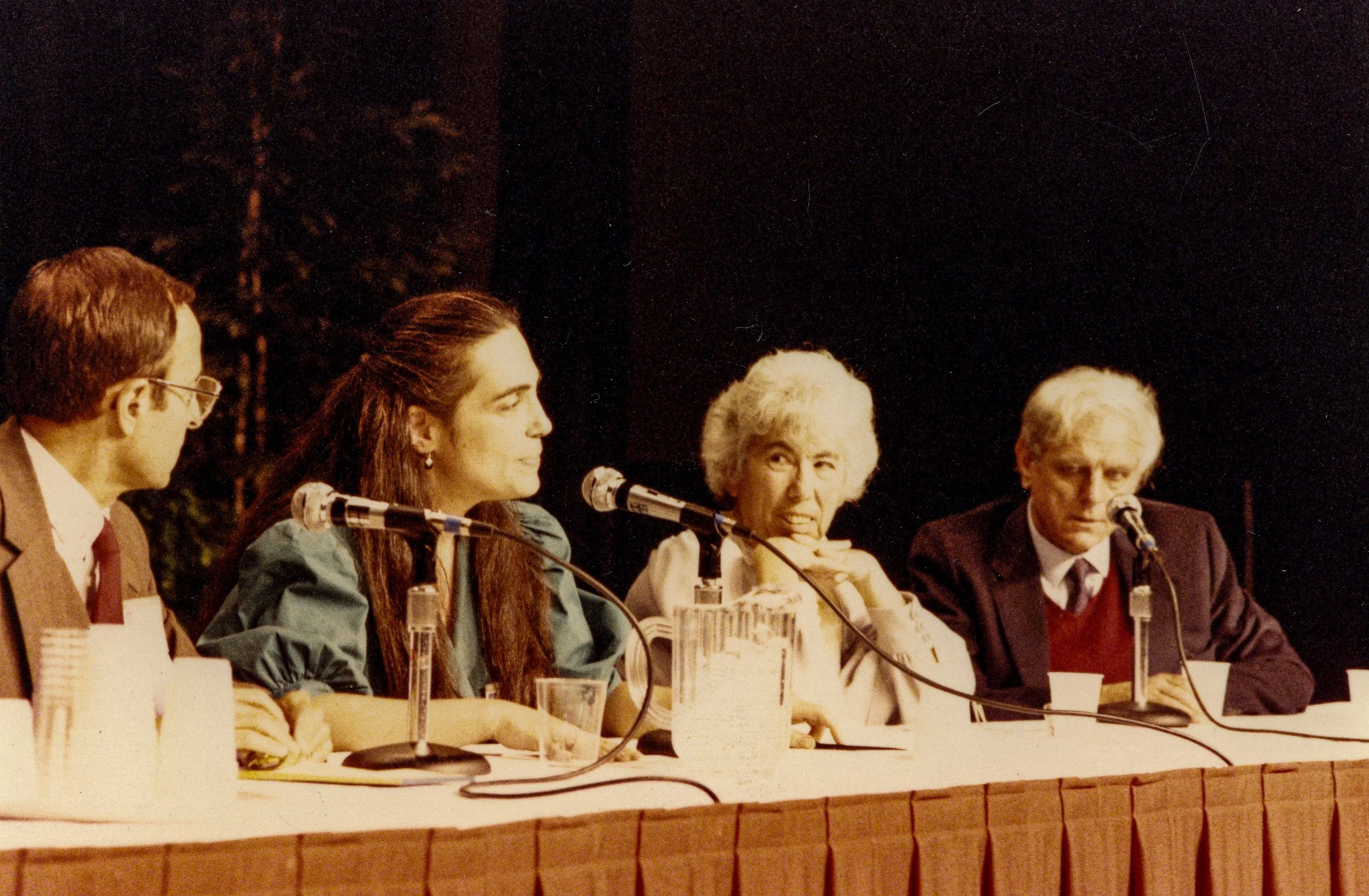
Journalist Margo Adler shares stories about the diverse paths taken by Alfred Adler’s children.
One daughter became a therapist in New York. Another pursued a career in theater. Another died in a Soviet prison after joining the Russian Revolution.
Adler also reflects on the challenge of reconstructing family history. Many relatives who lived through the turbulent years of prewar Vienna were reluctant to speak about their past.
Remembering Carl Jung
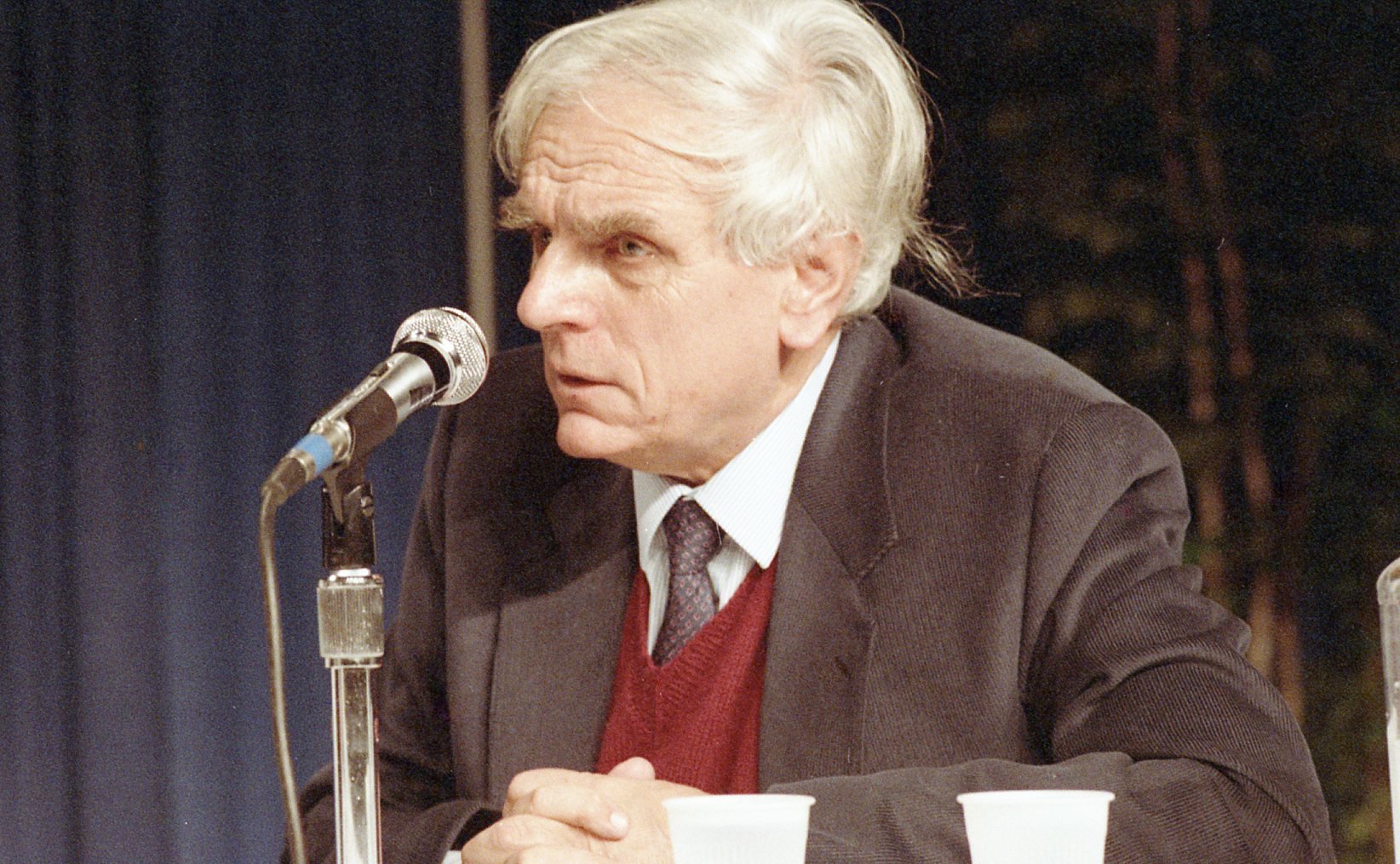
Dieter Baumann offers a thoughtful portrait of Carl Jung’s later years.
He recalls visiting Jung shortly before his death and observing how intensely focused he remained on writing and reflection. Even near the end of his life, Jung was deeply engaged with questions about the future of humanity.
Baumann also remembers Jung’s love of nature. Long before it was common in Europe, Jung took his children sailing and camping on the lake near Zurich.
🌸 Home Life Around the Masters
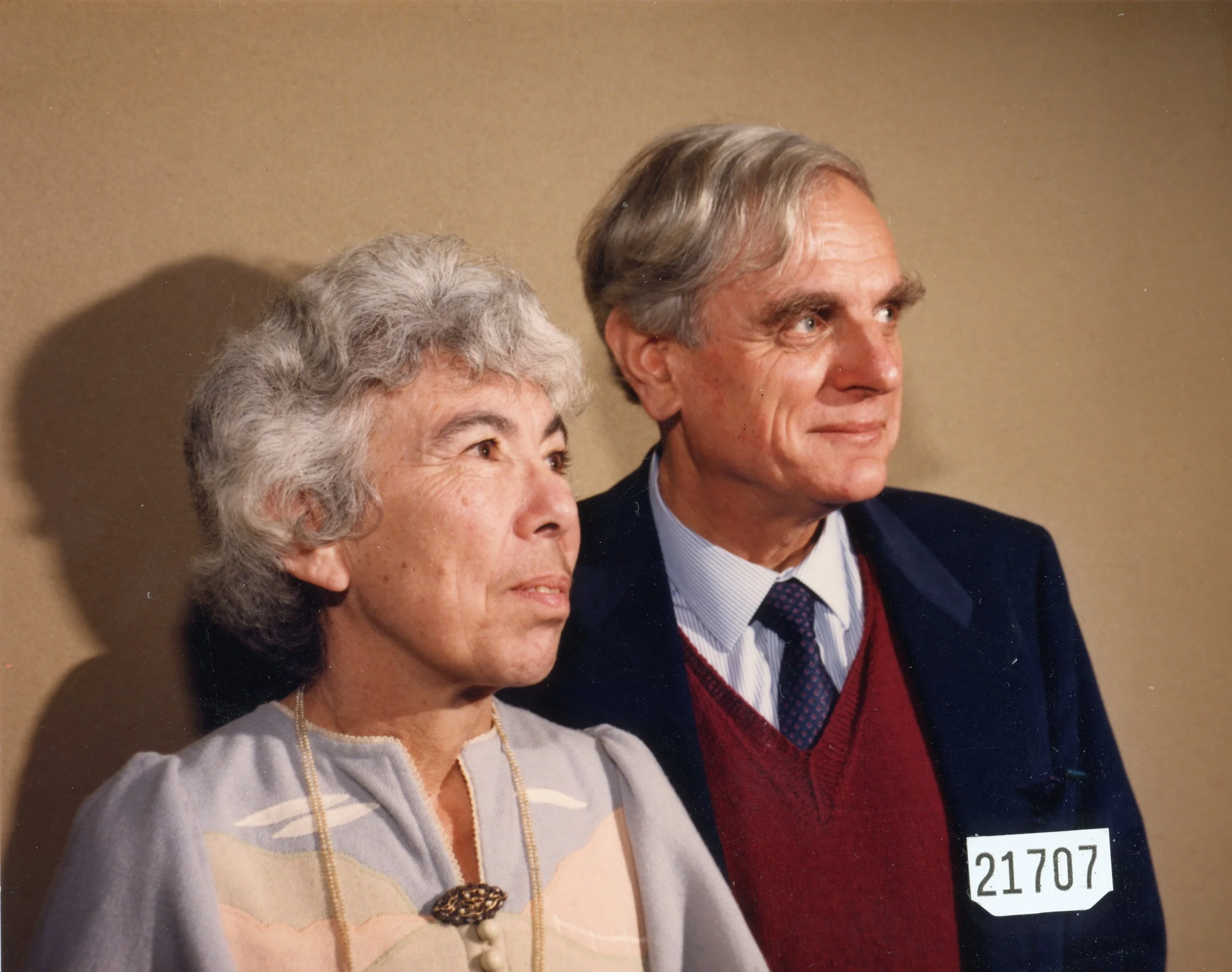
During one part of the discussion, Dr. Racy invites the panelists to reflect on the women in their families. Their responses shift the focus briefly from the famous theorists to the households that surrounded them.
Sophie Freud describes the structured household maintained by her grandmother, where meals were served exactly on time and the rhythms of family life were carefully managed while Sigmund Freud spent long hours working in his office. She notes that Sigmund Freud relied heavily on the women in his household, particularly his wife, his sister-in-law, and his youngest daughter Anna, to sustain the environment that allowed him to focus on his work. She also notes that Sigmund Freud later chose Anna as his intellectual heir, a decision that placed one of the women in the family at the center of the continuation of his work.
Dieter Baumann remembers his grandmother Emma Jung as a warm and generous presence in a large extended family that included nineteen grandchildren.
⏳ Enduring Relevance
This video explores the influences and environment surrounding these famous theorists, including the roles women played in their lives. It also places them within the wider network of relationships and circumstances that shaped their ideas.
▶ Watch This Month’s Selection Here.
You may also like …

Transforming Conversations
by Jeffrey Zeig
Type: Softcover
When great minds meet, we are privileged to learn from their explorations…
As part of a communications project conducted in the mid-1950s and spearheaded by anthropologist Gregory Bateson, Jay Haley, and John Weakland went to Phoenix, Arizona to learn from and collaborate with Milton Erickson.
The meetings of these three great minds were recorded. Their explorations together both advanced the Bateson Project’s Double Bind Theory and helped to develop more effective approaches in psychotherapy.
Advancing Psychotherapy is a glimpse into an important time in the history of the field and a rare opportunity to learn from those who shaped the future of psychotherapy. Its content will improve your practice of psychotherapy.

William Glasser (2000) uses role-play with Marie who is simulating Paul, a male client from her place of employment. Paul has marriage problems. Marie, as Paul, is asked to role-play his wife. Glasser highlights choices, examines the client’s thinking, and focuses on responsible behavior. After the demonstration Glasser explains his work.
Educational Objectives:
To describe the actual differences between therapies.
To describe what the therapist does that is unique to his/her therapy.

Alexander Lowen (2000) demonstrates with Ann, who he used as a ten years earlier. She reports that since that first session she has been free of severe asthma attacks. She is now troubled by the death of her father and mother, abuse from her brother, excessive weight gain and the onset of menopause. Lowen guides her through a series of movement exercises.
Educational Objectives:
To describe how the fundamental thesis of Bioenergetics indicates that body and mind are functionally identical.
To describe three ways that tension can disappear when using stress reduction techniques.
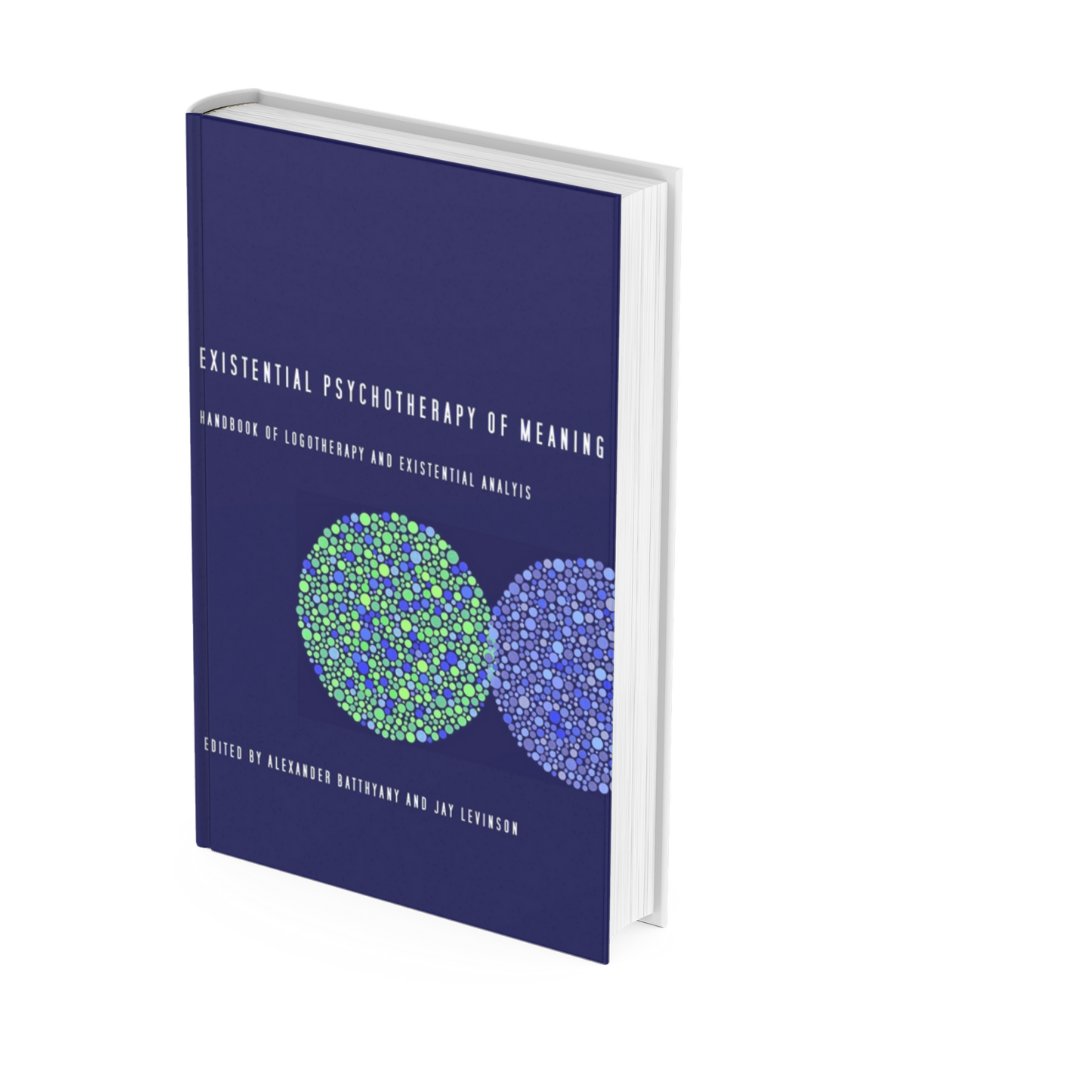
by Alexander Batthyany
Type: Hardcover
Written by an international assembly of leading exponents of existential psychotherapy and related disciplines, this book includes thirty chapters on current trends and topics in Logotherapy and Existential Analysis. It provides readers with an up-to-date and well-integrated text that will enhance the knowledge and skills of everyone who in one way or another applies meaning-oriented and person-centered psychotherapy and counseling in his or her professional and/or personal life. In keeping with Logotherapy’s tradition of interdisciplinarity, the research gathered in this volume comes from a variety of sources and disciplines, including medicine, psychiatry, psychology (both clinical and theoretical), counseling, nursing, and philosophy.
Part I focuses on the theoretical foundations of Logotherapy and Existential Analysis as well as tributes to Professor Viktor Frankl. Reflections on Logotherapy and its broad application to everyday life and psychotherapy are also included in this part. Part II addresses Logotherapy in the context of current trends in the empirical, theoretical, and clinical behavioral sciences. Part III presents new approaches and applications of Logotherapy and Existential Analysis, whereas Part IV introduces new research and empirical findings on the application of Logotherapy, the constructs of hope and meaning, and meaning in suffering.
As Jay I. Levinson, Ph.D., former Special Assistant to Viktor E. Frankl, and co-editor of this essential new volume, says in his foreword, “It was always Frankl’s wish … that he not be seen as the great ‘guru,’ meaning the only and/or ultimate authority on existential psychiatry. Rather, Frankl encouraged others to build on his theories, expand the literature and further serve humankind.” Thus, the 30 chapters contained here allow readers access not only to the contributions of Viktor Frankl but to the grand extrapolations that have been made by those who have learned from him. Like a force of nature, the Logotherapy paradigm shows us the vision in its roots and the core in its branches.
The specific and the general dovetail to clarify the philosophical basis and clinical applications of Frankl’s Logotherapy, as well as possible future directions.
Contributors include:
Bianca Zwang Hirsch
Rabbi Reuven P. Bulka
Paul T. P. Wong
Irmeli Sjölie
Erich H. Loewy
Richard T. Kinnier
Jerry L. Kernes
Elisabeth Lukas
Markus F. Peschl
Omar Lazarte
Malgorzata Opoczynska
Haddon Klingberg
Robert R. Hutzell
Mel Kimble
Jože Ramovš
David Guttmann
George R. Simms
Marian Wolicki
Karlheinz Biller
Rosemary Henrion
Juan Carlos Corvalán
Arlen R. Salthouse
Gustavo Berti
and others…
About the Editors:
Alexander Batthyany, Ph.D. teaches Philosophy and Theory of Cognitive Science at the University of Vienna, and Logotherapy and Existential Analysis at the Department of Psychiatry at Vienna Medical School. In addition to his role as chair of the Science and Research Department of the Viktor Frankl Institute in Vienna, Batthyany is together with Dr. Eleonore Franklresponsible for the Private Archives of Viktor Frankl. He is principal editor of the 14-volume edition of the Gesammelte Werke von Viktor Frankl (Collected Works of Viktor Frankl) and, in collaboration with Péter Sárkány, is editor of the first Hungarian book series on logotherapy and meaning-oriented, existential psychology and psychiatry. Batthyany has published several books and articles and lectures widely on philosophical psychology, contemporary philosophy of mind, and logotherapy and existential analysis.
Jay I. Levinson, Ph.D. is a licensed psychologist in private practice in Baltimore, MD,. Dr. Levinson has lectured internationally and served on the faculties of both the Johns Hopkins University and the University of Maryland School of Medicine. He is the only person to publish research integrating the theories of Dr. Viktor Frankl (meaning in life) and Dr. Elisabeth Kubler-Ross (meaning in death). Dr. Levinson served as a Special Assistant, colleague and friend to Dr. Frankl for over 20 years and edited his most recent book, Man’s Search for Ultimate Meaning. In an effort to give of himself to the community, Dr. Levinson has worked for many charitable foundations. He is a member of the Board of Directors of the Viktor Frankl Institute of Logotherapy and is the founder of the Baltimore Ronald McDonald House.
