

April Video of the Month

Timeless Presentations from Erickson Foundation Events
This ongoing series highlights keynotes, workshops, and dialogues from past Erickson Foundation conferences, showcasing influential voices in psychotherapy. These archival recordings offer more than historical interest; they hold lasting clinical value. Each session distills complex clinical ideas into lived examples, practical insight, and enduring therapeutic relevance.
April is National Child Abuse Prevention Month, making this presentation by Claudia Black a timely selection. In this 2013 invited address, Black looks beyond addiction as an individual problem and shows how it can shape an entire family system, placing children at greater risk for physical abuse, sexual abuse, chronic fear, and the invisible injuries of emotional abandonment. Her talk offers a compelling clinical frame for understanding how trauma is transmitted across generations, and why protecting children means paying attention not only to overt violence, but also to the relational conditions in which fear, secrecy, and shame take root.
This month’s selection is…
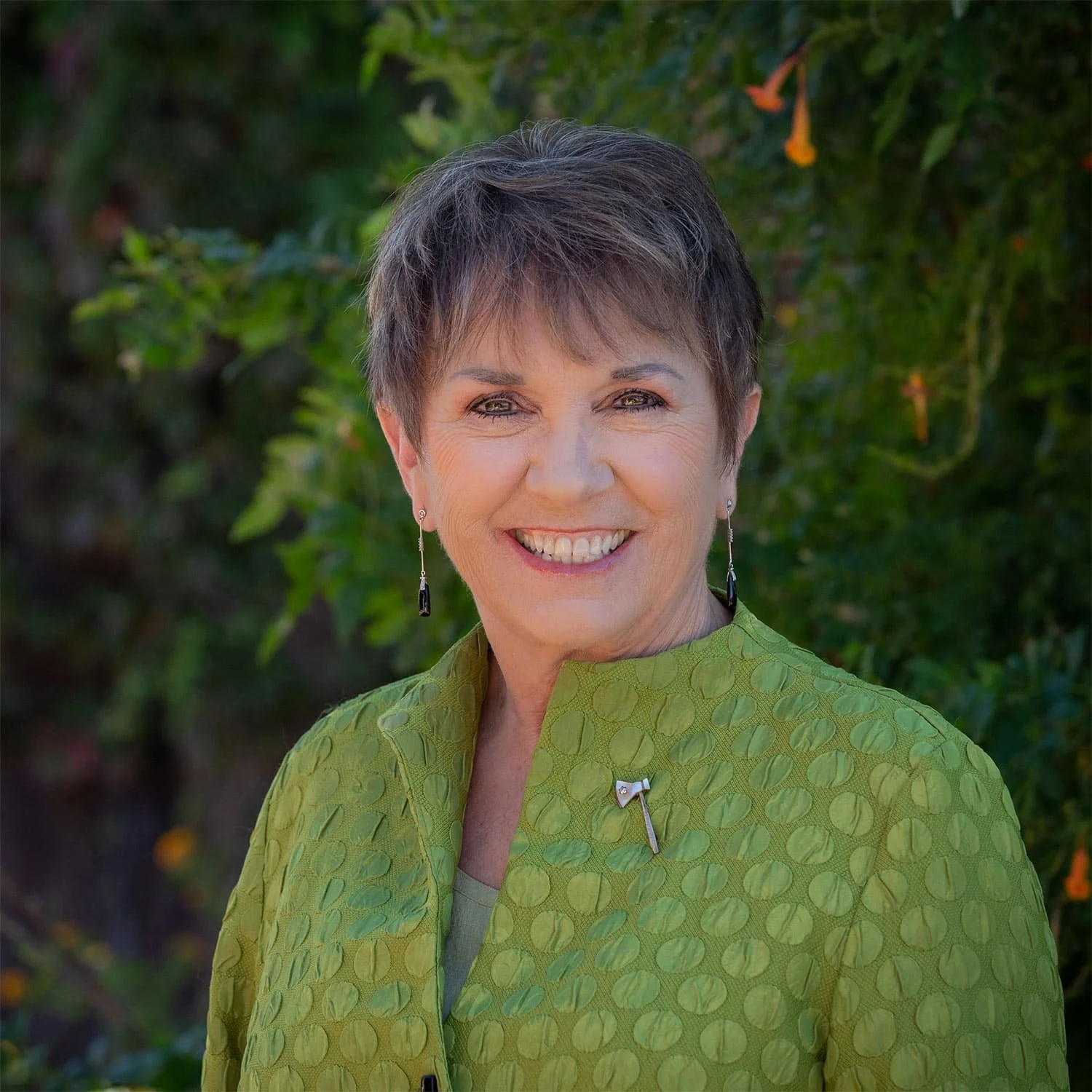
✨ Claudia Black, PhD
“The Addictive Family: The Legacy of Trauma”
Invited Address | Evolution of Psychotherapy Conference 2013
📌 About the Speaker
Claudia Black, PhD, is internationally recognized for her work on addiction, family systems, and the long-term effects of growing up in dysfunctional and chemically dependent homes.
🧠 Session Highlights
Addiction as a Family System Problem
Black argues early in the presentation that addiction never belongs to only one person. It reorganizes the entire family system around secrecy, instability, and chronic stress. Children, partners, and extended family members adapt to that environment in ways that may help them survive in the moment, but those same adaptations can later show up as depression, anxiety, impaired boundaries, or repetitive involvement in addictive relationships.
A Clinical Portrait
To illustrate these dynamics at play, Black presents the case of “Therese,” a woman who seeks treatment for major depression and anxiety after two marriages to addicted men. Black traces a family legacy marked by alcoholism, verbal shaming, fear, emotional neediness, chronic conflict, and loss. She then links that family legacy to Therese’s adult depression, anxiety, and relationship history.
How Children Learn to Survive Chronic Trauma
In one section of the address, Black describes a 12-year-old boy whose father drunkenly humiliates the family in public. When asked what he felt, the boy can barely identify the language of feeling at all. Black uses this example to show how children in addicted family systems may disconnect not only from painful emotions, but from emotional reality itself. What can appear to be toughness or indifference is often a survival strategy formed in an environment of chronic fear, embarrassment, and unpredictability.
Emotional Abandonment and Shame
The talk also includes Black’s discussion of emotional abandonment, which she defines as the experience of having to hide part of oneself in order to be accepted or to stay safe. From there, children may internalize shame-based beliefs that they are not good enough, not worthy, or fundamentally at fault. Black connects these beliefs to later difficulties with self-trust, intimacy, boundary-setting, and even the basic ability to recognize one’s own needs.
Trauma-Informed Treatment
Black closes by urging clinicians to assess for more than the presenting symptom. She emphasizes the need to ask directly about addiction in the family, chronic loss, physical or sexual abuse, and the witnessing of violence. She also points toward concrete stabilizing practices—mindfulness, breath work, expressive approaches, and trauma-focused treatment when appropriate—to help clients reduce reactivity, tolerate feeling, and interrupt shame-based patterns before they are carried further across generations.
⏳ Why It Still Matters
Black’s emphasis on adverse childhood experiences, toxic stress, attachment disruption, co-occurring disorders, and trauma-informed care still feels current. Her presentation reminds us that effective prevention is not limited to responding after visible harm has occurred; it also depends on recognizing the family conditions that erode safety, emotional truth, and healthy development long before a child has the language to describe what is happening.
For National Child Abuse Prevention Month, this recording offers a reminder that prevention begins with recognizing and addressing the family conditions in which harm can take root. Black’s address asks therapists to notice what is chronic, what is hidden, and what is being passed forward, and to intervene with enough clarity and compassion to help disrupt that cycle.
🎥 Watch the Moment
In this excerpt, Claudia Black shows how chronic family trauma can shape a child’s emotional world. Focusing on the 12-year-old boy described earlier in this blog post, she illustrates how fear and disconnection can take root where feeling and safety should be.

The 1985 Evolution of Pscyhotherapy Conference Revealed: 2005 Limited Edition
by Carlos Amantea
Type: Softcover
The 1985 Evolution of Psychotherapy Conference was called the Woodstock of Psychotherapy. Writer Carlos Amantea penetrated every corner of the first Conference, talking with the psychiatrists, social workers, and counselors who attended,and writing down everything he saw from the ambience of the huge Phoenix Convention Center, to the tiniest feeling of angst that he (and many of the other participants) felt. Those who have read The Lourdes of Psychotherapy agree that it is some of the best reporting extant not only on a single meeting in Phoenix, but also on the psychotherapeutic ideas, conflicts,change and upheavals of the 1980s.

Volume 4
In this powerful video, four different family systems move toward resolution in the wake of the loss of a child.

Volume 6
Four family constellations show the harmful identifications that children sometimes have with parents and grandparents. Hellinger works with participants to acknowledge hidden dynamics and to discover healthy ways to recover compassion and love.

A Meeting of the Minds
by Jeffrey K Zeig
Rating of 4
